Tape Music

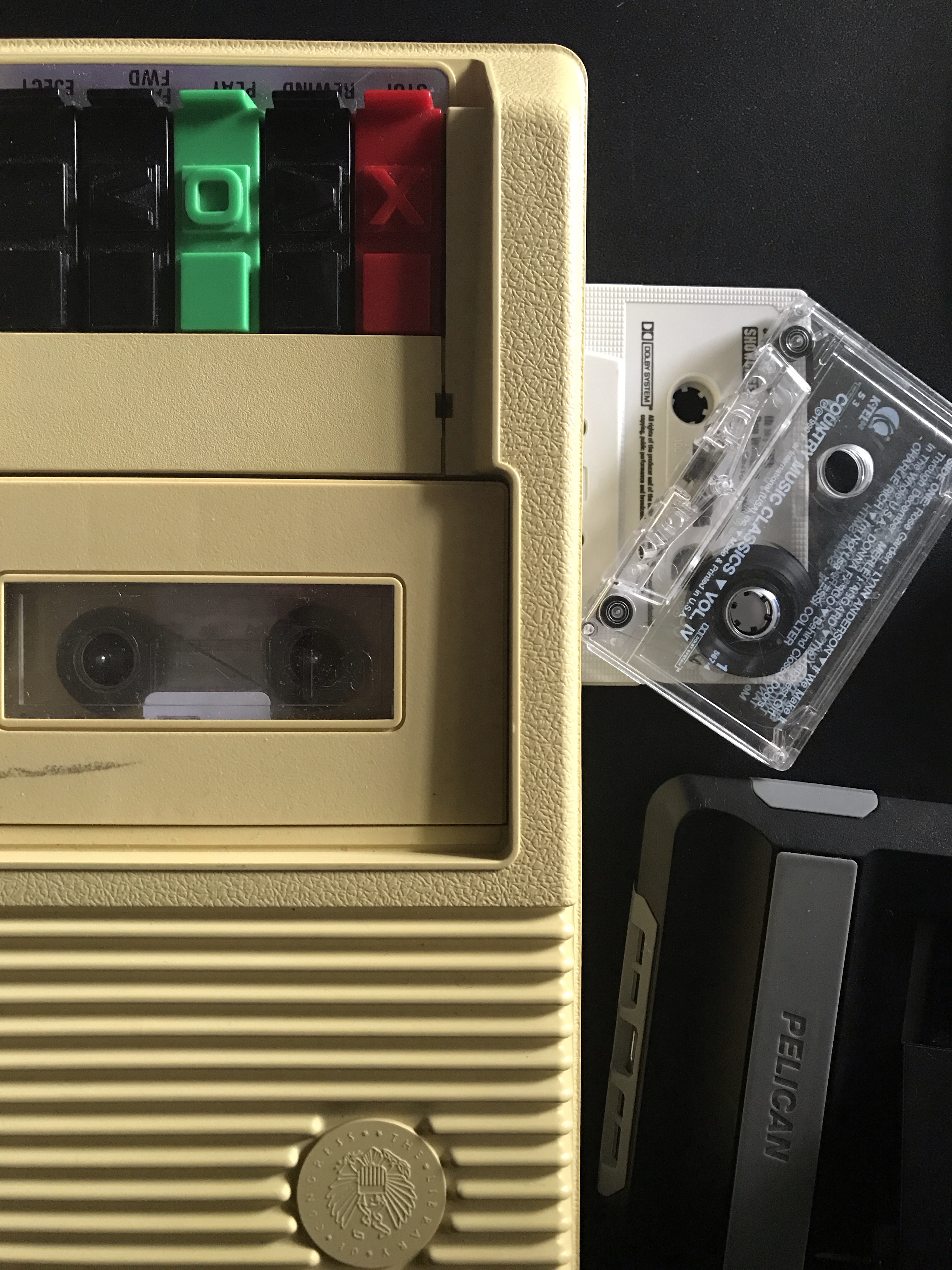
To break the cycle of my film, I’ll break away to a similar but different medium. Magnetic tape. Before I was ever interested in film, I was deeply interested in tape music. I began to buy all the cassettes I could get my hands on, and all the tape players too. I began to learn about how to achieve certain sounds with tape, and found a large community of people doing the same. Most notable is a German ambient/electronic music producer and composer, Hainbach. I specifically loved his introduction to cassette music.

The resurgence of tape has been a really interesting to watch. The increase in market demand for tape and tape players has created an incredibly lucrative marketplace. Not too many people are making tape players anymore, and most the ones of today are cheaply made. The secondhand market is immensely important to anyone looking to get into tape.

I find that I really enjoy the lo-fidelity qualities of tape music. The limited bandwidth of the medium lends itself to a warm, and nostalgic sounding musical experience. This is why people have really gravitated towards it. This, and the limited capabilities becomes a creative incentive for those daring enough to mess with tape.

All in all, tape is a strange medium. It’s resurgence its as confusing as it is captivating. I really believe this is due to the fleeting nature of tape. Tape itself degrades over time, and these players won’t last forever. There is a sort of “in the moment” aspect to tape. It’s here for now, and gone tomorrow. If you have a player and some tapes laying around, give them a shot. They often feel like old memories. If you are really interested in new tape music and how people are using it as a compositional tool, check out some of my favorites like William Basinski, Amulets (who also has a great YouTube Channel), and of course, Hainbach.
120 not 35mm

So this week I decided to try something a little different. I wanted to shoot 120 or medium format film. 120 differs from 35 in that it is a larger picture, and is perfectly square.

There are tons of reason people prefer 35mm to 120 or vice versa. Despite being less portable than 35mm, the biggest difference seems to be resolution. The larger film allows for more fine details in images.

However, none of this was really my motivation. I found out my grandfather had a Yaschica Mat LM when he was stationed on Midway island in the 1950’s. Not only that, but this particular camera was seemingly the only camera he used to capture memories of my father and his brothers and sisters, until the the 80’s or 90’s.

I happened to find one on Craigslist and took a gamble. Mine did not work 100 percent. However, in the strangest bought of luck, I found a man named Mark Hama.

Mark Hama worked in a Yashica factory in Japan building Mat cameras and now resides in Marietta, Georgia. Mark took my camera, cleaned it up, fixed it and made it look brand new. It was incredible. If you need your cameras worked on, he is unbelievably talented, kind and passionate.

Moving on, being that I am new to film, much less 120, I scoured the internet to learn how to shoot 120 and what types of film to start with.

Naturally I went to the trusty Phoblographer, and found an amazing resource. I figured this would be a cool opportunity to compare my shots on a 35mm with my new 120 shot on the same film.

The photos are staggered 120/35 and so on.

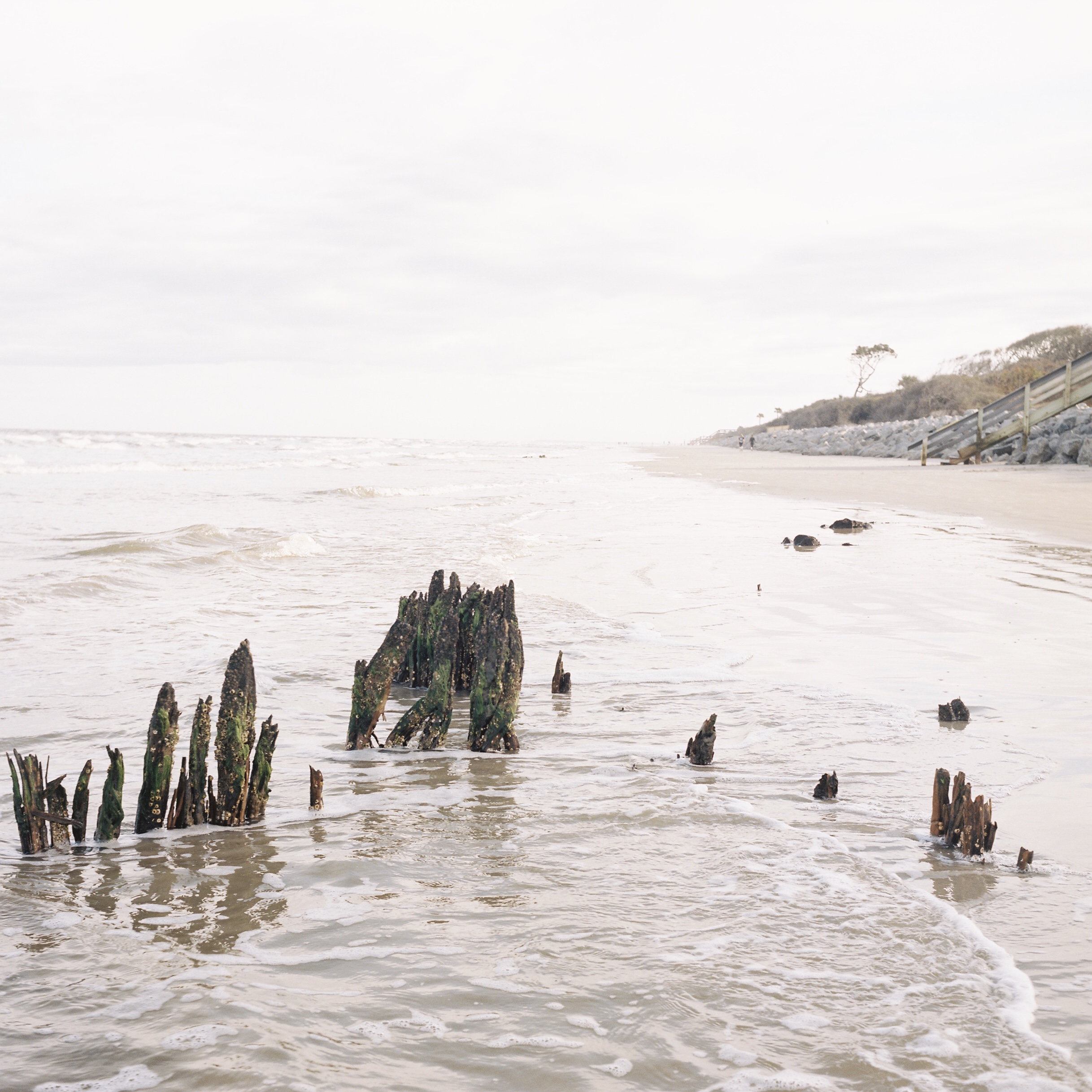
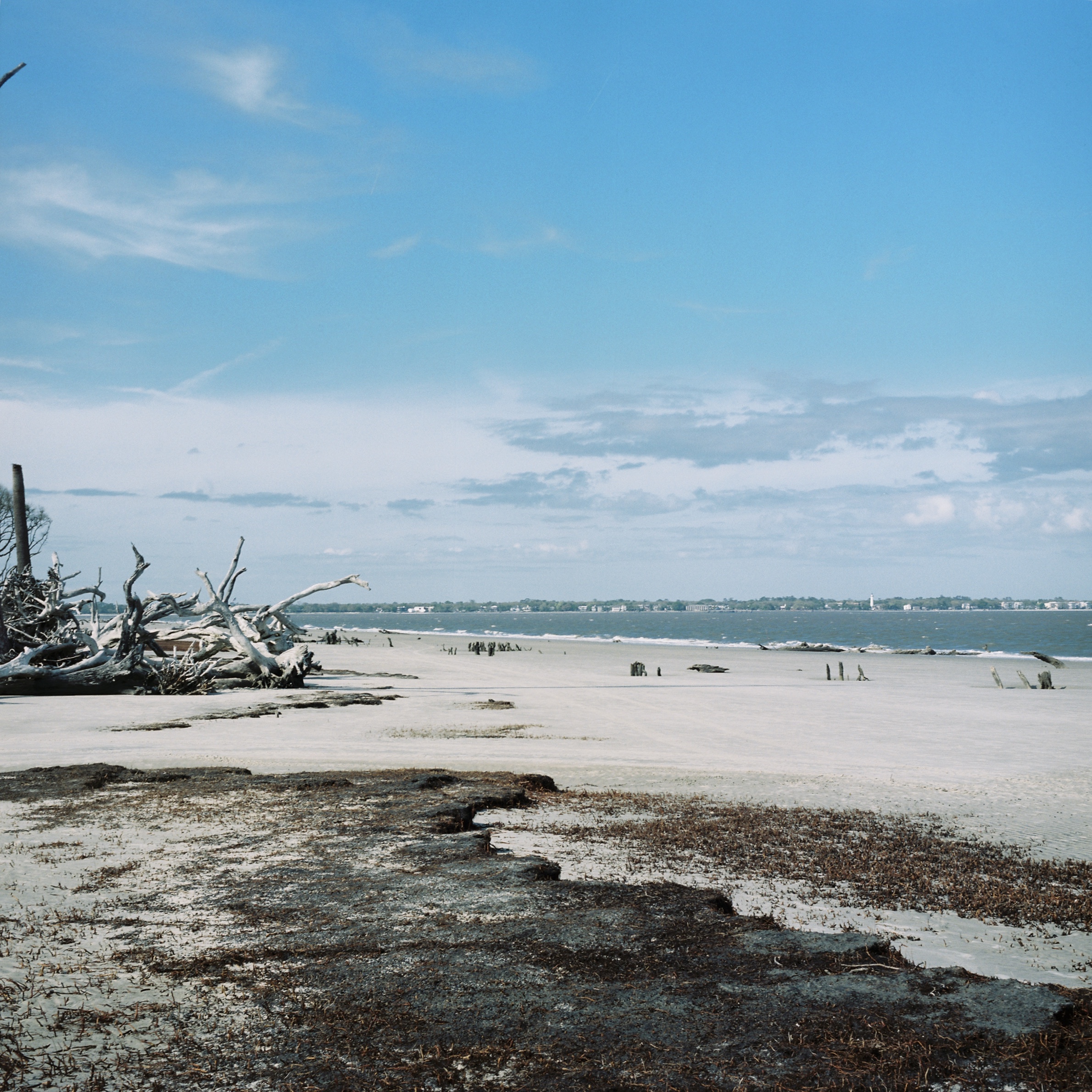
This was taken on Driftwood Beach on Jekyll island. Seeing the way the film deals out color is one of my favorite things about it. It just feels a little muted, giving it an older feel. Which I really enjoy.

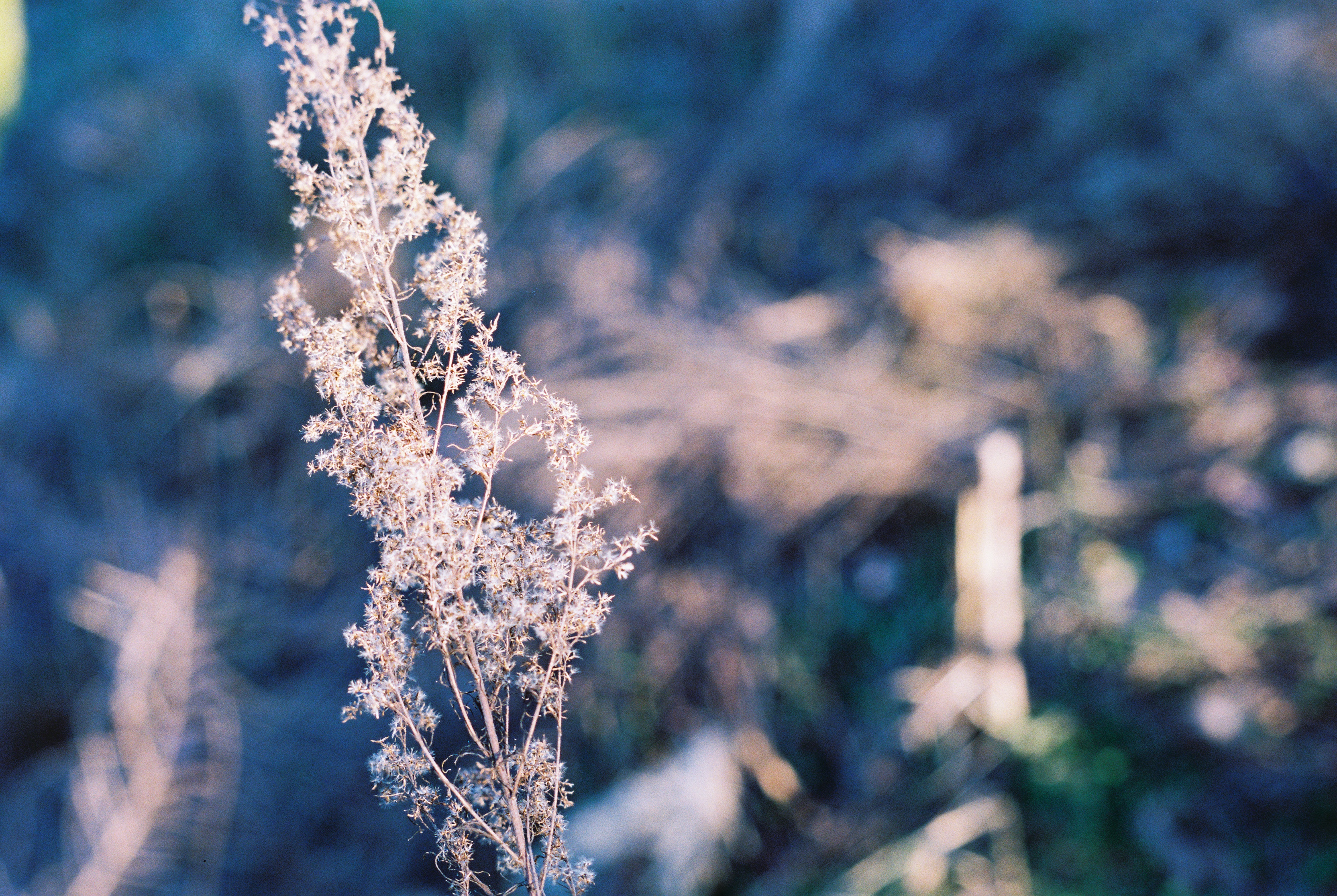
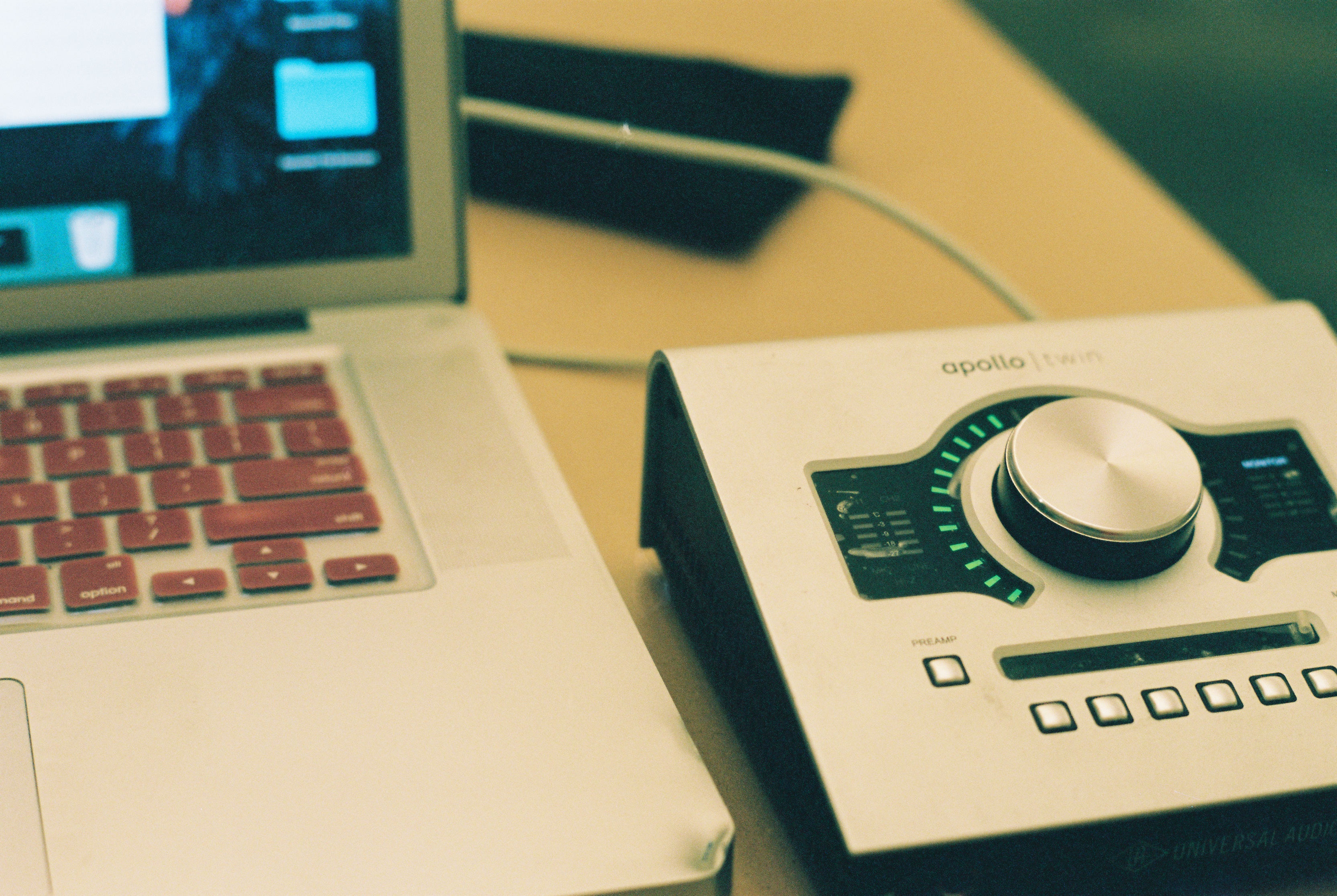
This was shot on 35mm. Something about it feels awfully smooth. Almost like it had been touched up in a way. But this was shot indoors, and I feel like the muted coloring is stronger in this setting.

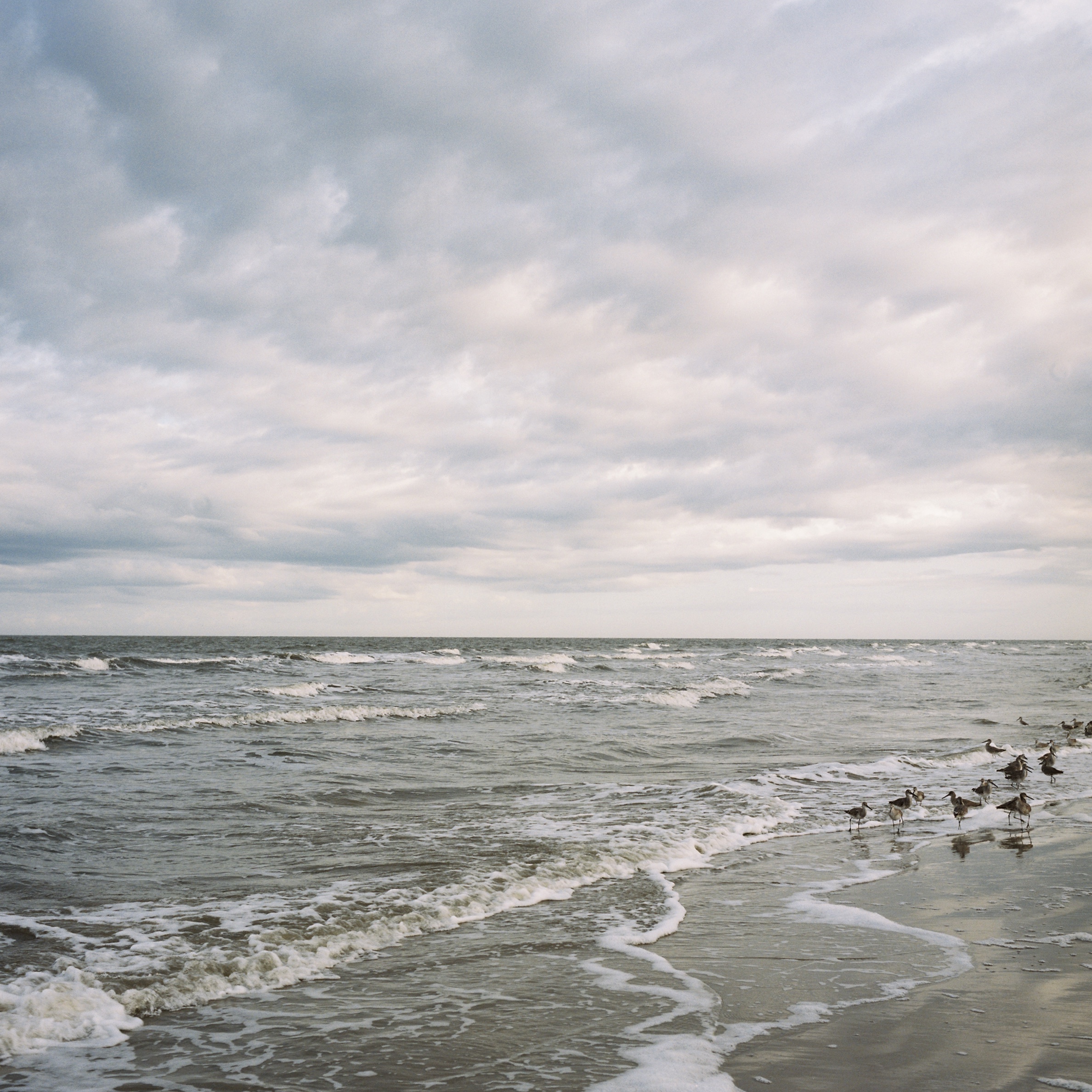
Another soft, smooth look through Portra 400. This was somewhere in the middle of the beach on Jekyll, a few miles south of Driftwood. The way I exposed it, which was less than intentional, makes the horizon kind of blend together.

This is probably the most odd-ball photo from my 35mm roll. It was shot at dusk on a mostly clear day. The colors are very cool and have a lot of blue on them. I was not expecting that at all.

My favorite 120 shot. It reminds me of photos my grandfather took on Midway. I have a similar picture from a roll of HD 400 I posted about a few weeks back. I really love the smoothness of this though. It almost looks silky.

All in all. I really love Portra. It is probably one of my favorite films to shoot, I have another roll ready to shoot soon! I enjoy the cool look it has. I love how it has a sort of blueish tint throughout. I think this is because i reminds me of old family pictures. Which is certainly an inspiration and source of nostalgia for me and my film journey.

Kodak HD 400

This weeks roll is Kodak HD 400. I found it online in a lot of 5 rolls from a second hand website. I don’t believe it was out of date, and the owner claimed that the film had been kept in a cool place while he had it. So I did some research and found a really helpful article from Lomogrpahy who offered great insight to the film. The author seemed to think the film was all around solid and relatively cheap and accessible, so I was excited to give it a shot.

While I was shooting this roll, I visited my home town, Brunswick and spent a whole day on the neighboring Jekyll Island.

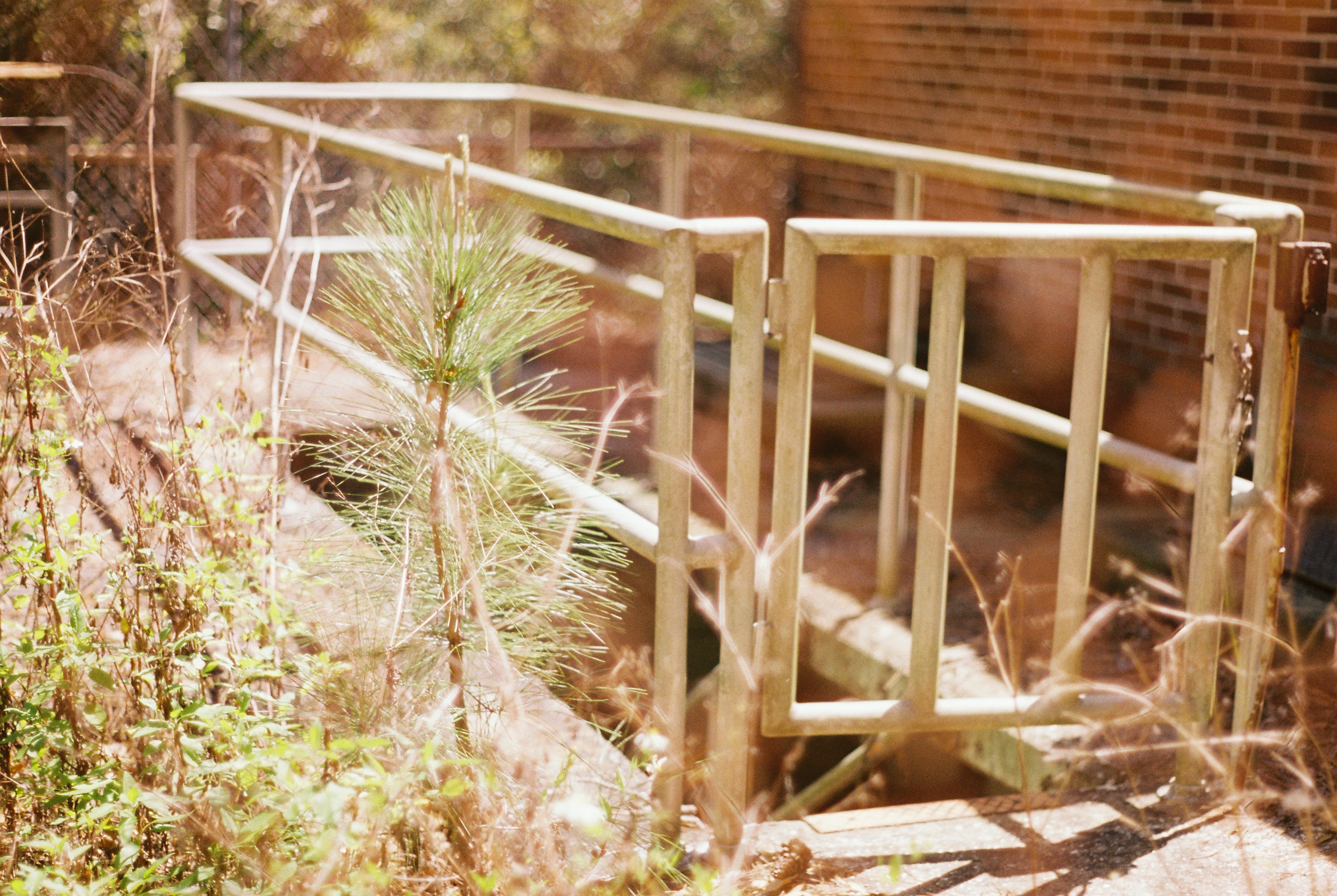
This was the first shot of my roll. I was walking down a dirt road and came across this water treatment area for the island. I was facing the sun, so it seemed to really light up the shot in a warm way.

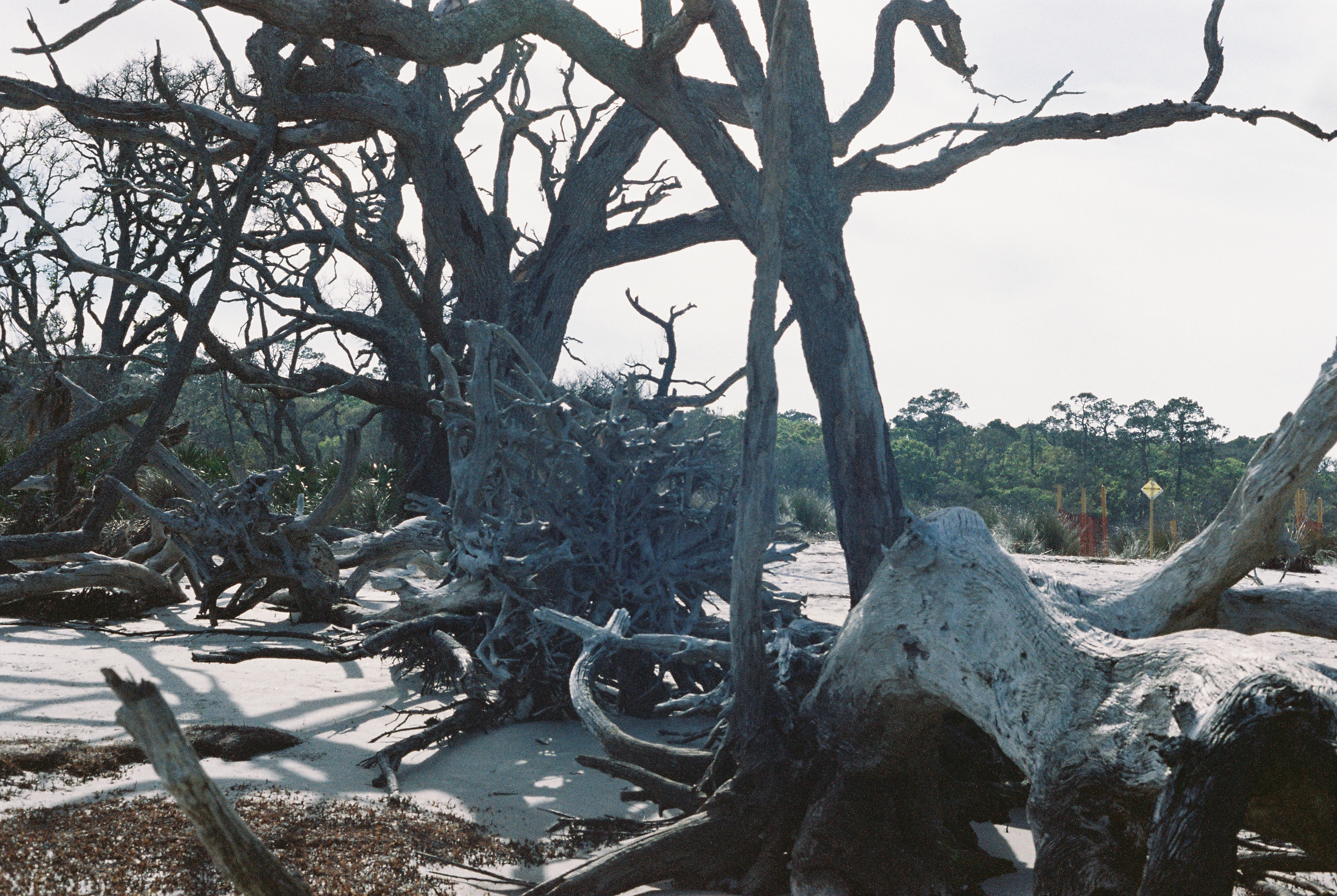
This was taken at Driftwood Beach, which, if you haven’t been, is worth a visit. The day at this point started to become partly cloudy. The detail in the variety of color feels very true to the scene as I remember it.

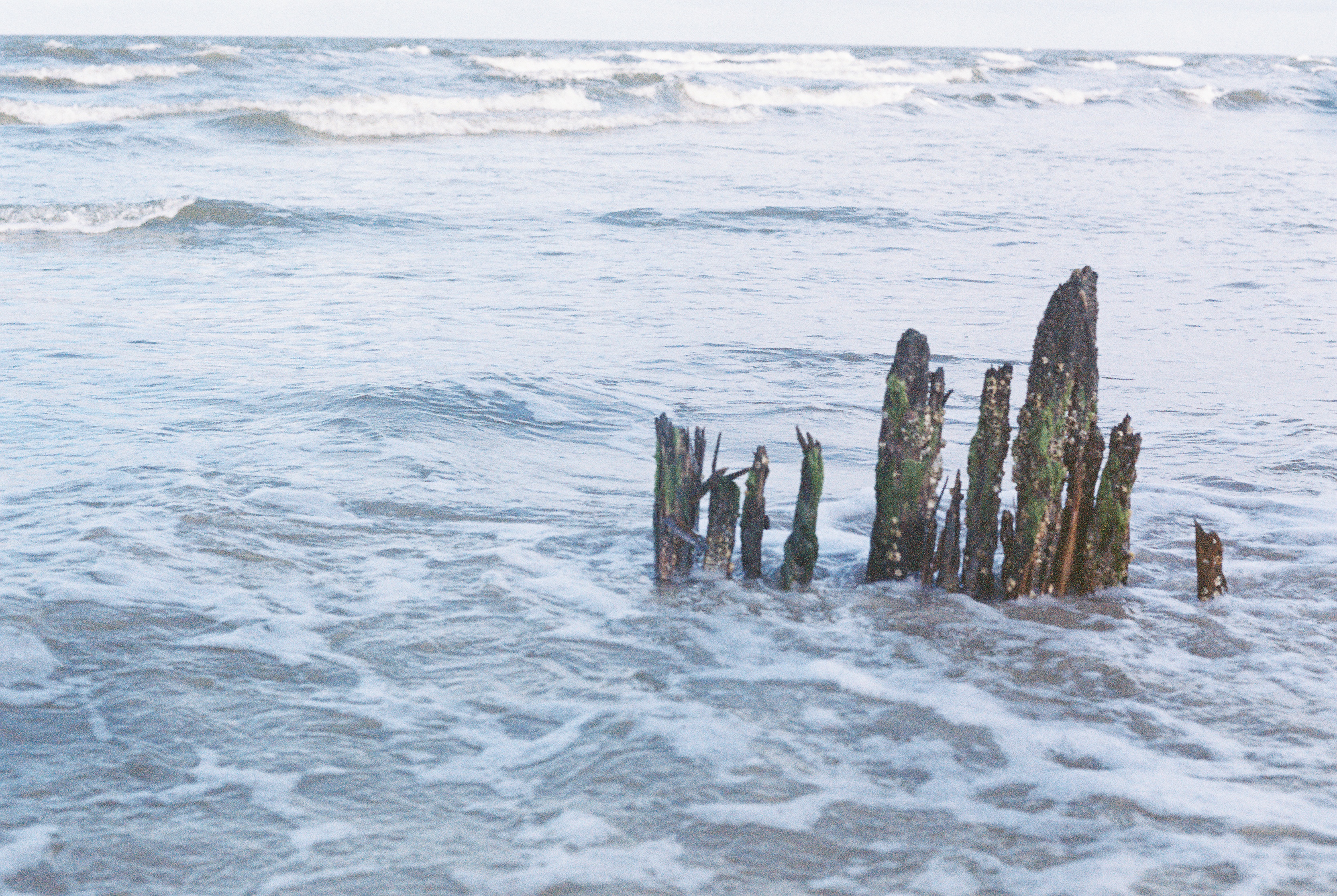
After I visited Driftwood, I walked down the whole eastern side of the island and saw tons of things. One of which was this make shift wall a passerby left to fight the tide. At this point the sun was beginning to lower on the horizon and the was starting to become overcast. The blues and greys of this picture are really lovely to me.

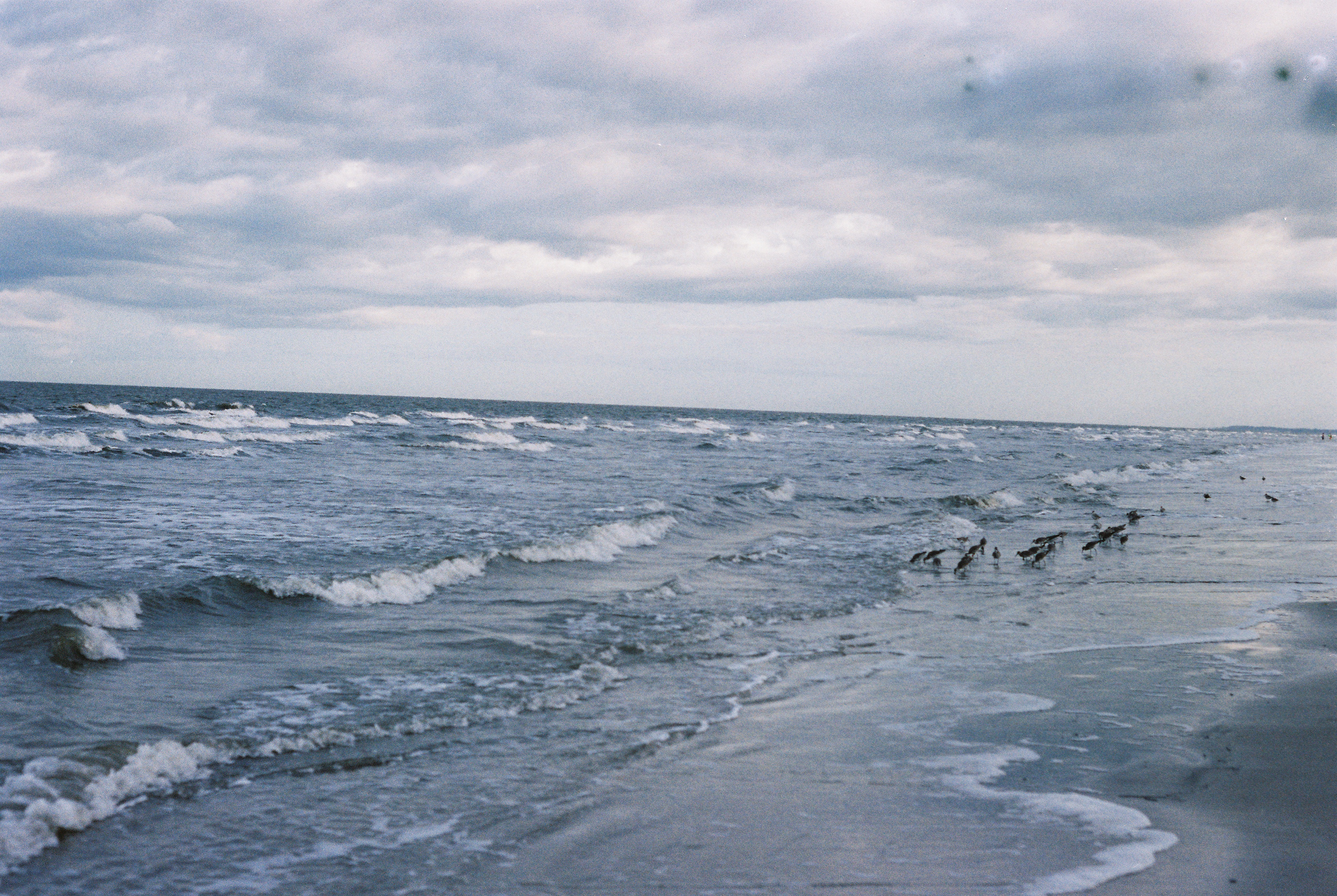
This was the last picture of my roll and it’s probably my favorite. The smoothness of the greys and blues are some of my favorites I have seen of any film. It almost feels like a painting.

In closing. I certainly loved this film. It was crazy cheap, and seems to be consistently cheap, even if bought from a shop. I think the film seems to have this sort of hazy quality, that makes everything feel older than it is, which I certainly like.

JCH Street Pan 400

For this roll, I wanted to try something a little bit different. When I was in the camera shop, dropping off my Ektar for development, I started talking to the store owner about film recommendations. He mentioned a few, but he spent a lot of time telling me about JCH Street Pan.

After that, I went home and did some research, as I tend to do about everything that I spend money on. A quick Google search led me to the Phoblographer’s review of the JCH Street Pan 400.

Their review was full of great information and amazing demonstrations of the film, and the type of photos you can expect to get from the roll. What I most appreciated from their review, is that the film is actually a relatively new film. Meaning that this company had recently made it and pushed it out into the world. Which is exciting since, many would believe that film is a dying medium. (Hopefully not)

The first thing that the blog pointed out was the first thing the shop owner mentioned. This film has a great contrast. The whites are white the blacks are black. Which to me creates a really dramatic, and at times, surrealistic quality to the pictures. The next big thing, was the grain quality, which, they found to be really fine. Lastly, the film evidently thrives in red light, which is indicative of sunset, or dusk, unless artificially created.

So let’s see how my pictures turned out and see if I agree with the Phoblographer’s take on the matter.

tape machines

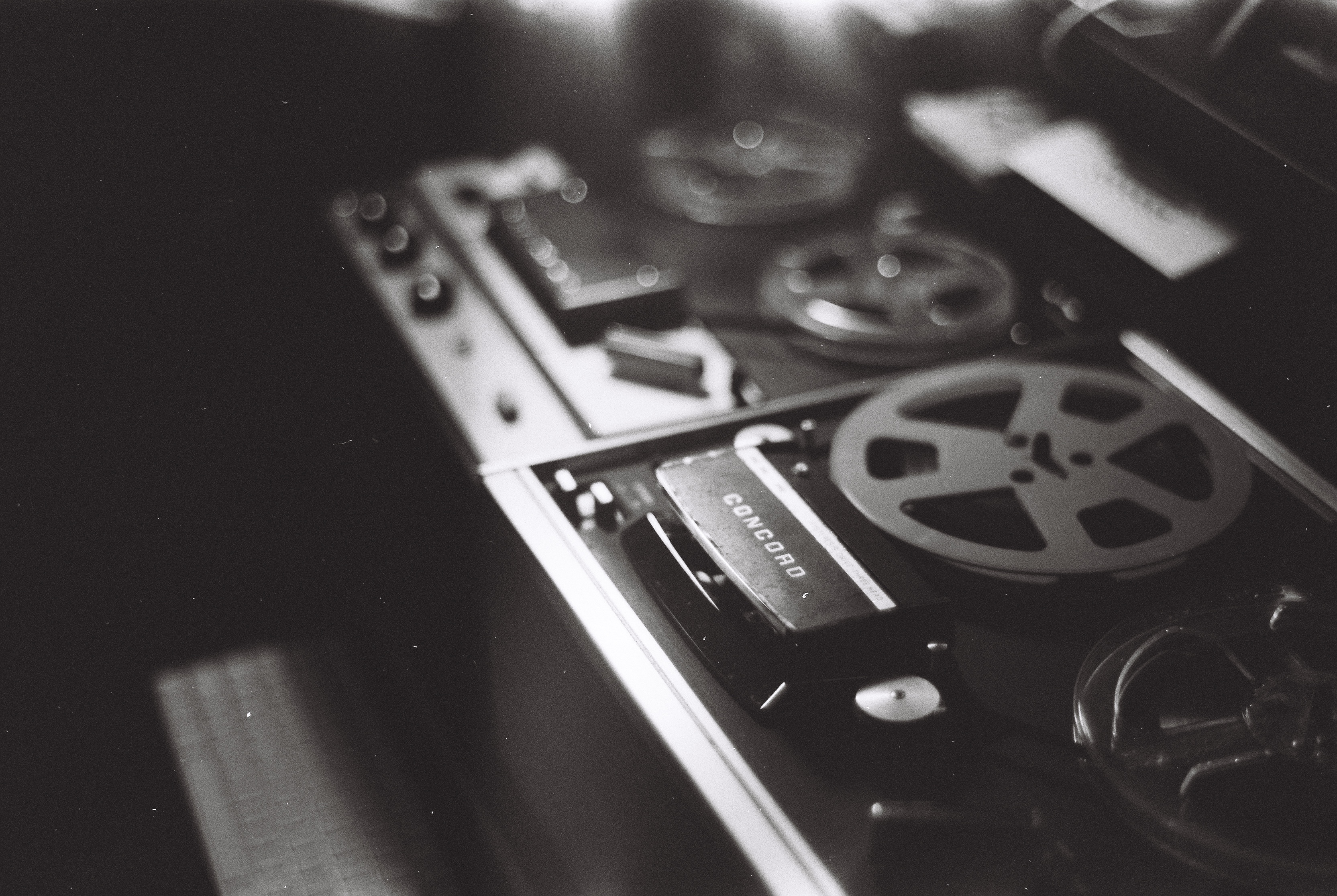
Here are my tape machines. This was shot mid morning on an overcast day in my living room and I really enjoyed to contrast. It’s definitely moody. Notice how dark some of the areas are but how balanced the brighter sections are.

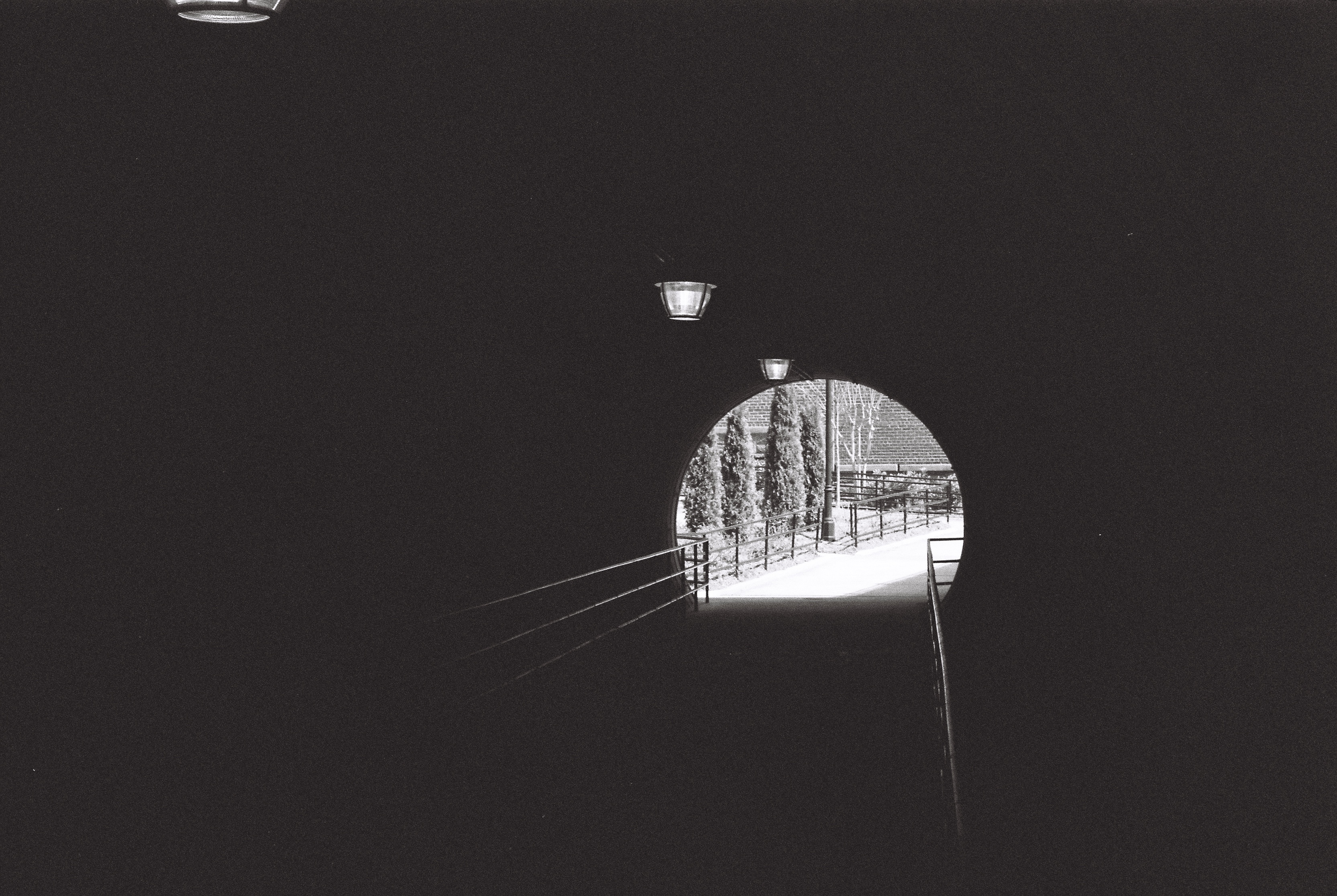
sun in the tunnel

This photo was taken in Kennesaw and it’s the only one that was taken when it wasn’t overcast. Again the contrast is so deep. However, I noticed how truly fine the grain is. Despite being a 400 speed film, the grain isn’t terribly intrusive, especially while managing to capture such a contrast of lights and darks.

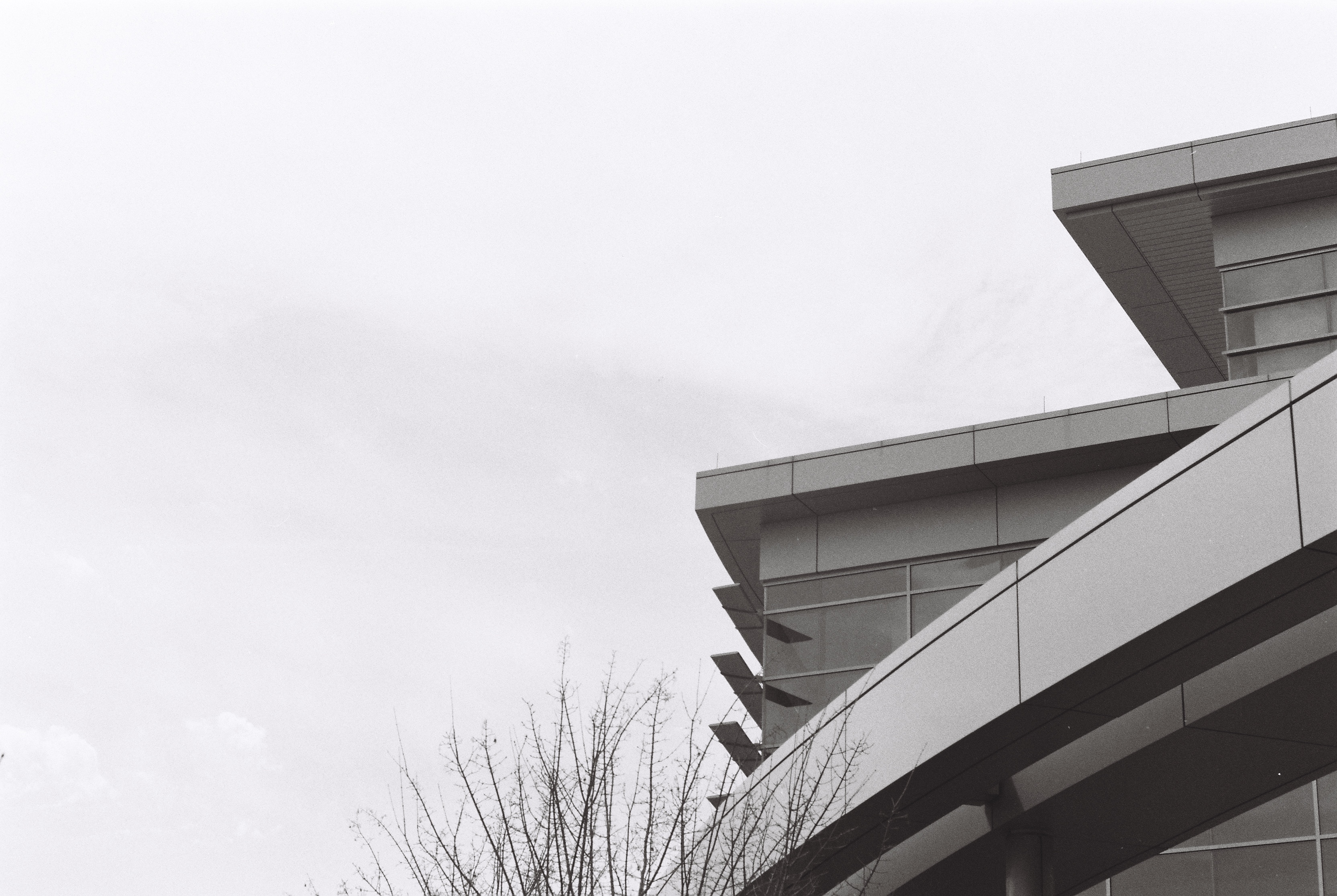
buildings and a tree, i guess

This was probably my favorite picture from the roll. I did a handful of shots of various buildings around KSU’s campus. I found that the line work of the architecture, combined with the contrast of the film, really spoke to me.

So! Overall, I love JCH Street Pan. It’s the first black and white roll I have ever shot and I plan on shooting it again.

I agree with everything the Phoblographer wrote in the article. They really nailed it down, and showed the true ability that this film has.

My only regret, is that I wasn’t able to shoot it during a sunset due to the weather. Looking forward to the next one!

Ektar 100

Last week, I bought and shot my first roll of Ektar 100, a film made by Kodak.  As I am new to film, I scoured the internet for recommendations on different rolls of film.  Ektar 100 was consistently in the top 3 best films, so I figured it needed to happen.  I found a great review with tons of demo photos at the Phoblographer’s site.  

The writer points out the pros and cons, and I more or less agree.  Ektar is moderately priced, and offers great quality images.  The film shoots at 100 iso, which means it has a very fine grain to its image.  Ektar is admittedly, one of the finest grained films on the market.

The author continues by showing their photos from the roll, explaining the colors and qualities of the roll under different circumstances.  Specifically the way that light adds to the saturation and color profile of Ektar.  

So I searched around my local film shops and found Ektar 100 for $9.  I researched online and found it going for as little as $7 and as much as $15.  The blog I read had noted that pricing is kind of tricky with Ektar. 

After loading it into my camera, I read over what the author noted about the film.  Being a 100 speed film, it would flourish in brighter light situations, so I tried to shoot with that in mind.  I finished my roll and dropped it off to get developed and waited for the results.

Getting my photos back was exciting.  I tore into the envelop and sorted through them, quickly finding my favorites.  I’ll share my top 5 below.  

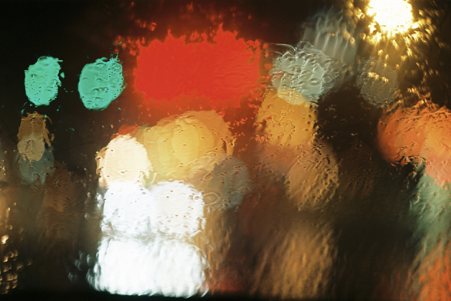
This was one of the first ones I had taken. I was riding in the with my friend on the way to a show downtown. It was raining and we got stuck at a red light for a few minutes. I took this while waiting. I focused the lens on the rain on the window, casting the lights in the background out of focus. 

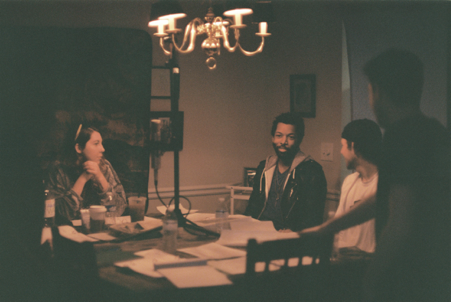
This one highlights the way the film shows a warmth in low light. I was working on a table read for a film a friend is putting together. The low light shines with a red-orange glow. 

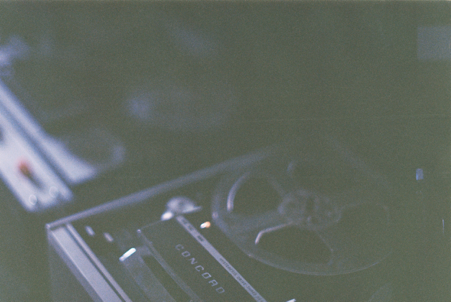
I recently have been experimenting with tape recording and sound design with tape. This image was captured during a session in my studio space. The grains can be seen pretty well in this, mostly due to the low light usage of a 100 film. 

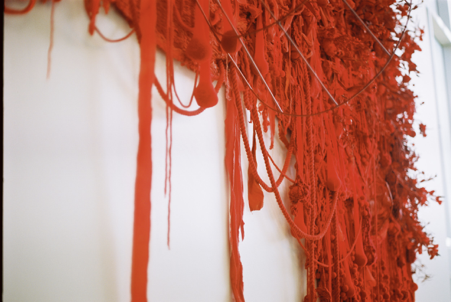
While visiting the art museum on campus I snapped this one. The contrast between the white wall and red piece on the wall is sharp. The red really pops, colors are a strong suit for the Ektar. 

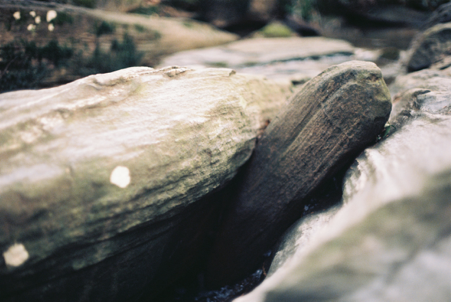
Finally, my last photo from the roll.  I was visiting the Dunwoody Nature Center. I love the bright color details in the rocks, especially against the dark mass of the stones overall. The spectrum of the Ektar is wide. 

Overall, I have really enjoyed the qualities and colors from Ektar 100.  I found that the Phoblographer’s take on the film was really spot on. They accurately described the quality of the film. I plan on visiting their website again to pick a new roll to try soon!